Understanding the psychological triggers behind gambling behavior
The Thrill of Uncertainty
One of the primary psychological triggers behind gambling behavior is the thrill that comes from uncertainty. This feeling, often referred to as the “gambling high,” is associated with the anticipation of winning. When individuals engage in gambling, they are essentially placing their hopes on outcomes that are inherently unpredictable. This unpredictability can lead to a rush of adrenaline, creating a sensation akin to that experienced in extreme sports. In today’s digital age, many find excitement in virtual environments, including aus online casinos, which combine this thrill with the ease of access provided by technology.
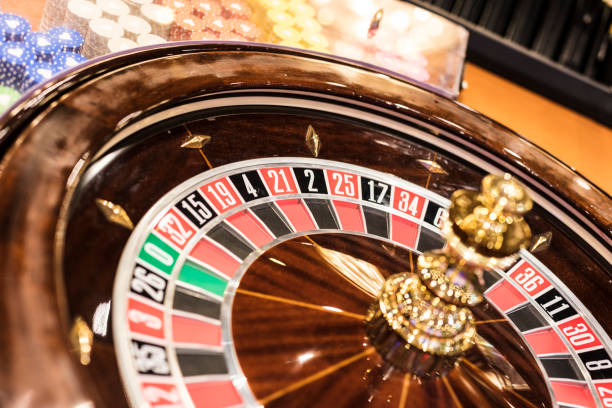
The allure of this uncertainty is particularly potent in environments like casinos, where the atmosphere is designed to amplify excitement. The sounds of slot machines, the visuals of flashing lights, and the overall ambiance contribute to a heightened state of arousal. This combination of environmental stimulation and psychological anticipation often leads gamblers to repeat their actions, despite the risk of loss.
The Illusion of Control
Another significant factor influencing gambling behavior is the illusion of control. Many gamblers believe they can influence the outcome of games through strategies or personal skill, even in games where outcomes are purely random. This misconception can be particularly strong in games such as poker or blackjack, where players feel their decisions impact their success.
This illusion can lead to overconfidence, encouraging gamblers to engage in riskier behaviors and to gamble more frequently. In reality, however, games of chance are designed to favor the house, and understanding this discrepancy between perception and reality is crucial for responsible gambling practices.
The Role of Rewards and Reinforcement
Rewards and reinforcement play a pivotal role in gambling behavior. The brain responds to the potential for winning with the release of dopamine, a neurotransmitter associated with pleasure and reward. This biological response reinforces the behavior, making gamblers more likely to continue playing in hopes of recapturing that rewarding feeling.
The intermittent rewards typical in gambling—winning sporadically rather than consistently—are particularly addictive. This unpredictability ensures that the brain remains engaged, constantly searching for the next win. Understanding this cycle of reinforcement helps illuminate why individuals may struggle to control their gambling habits, as the allure of future rewards can be overwhelming.
The Social and Emotional Factors
Gambling behavior is also influenced by social and emotional factors. Many individuals turn to gambling as a means to escape from stress or negative emotions. This behavior can create a cycle where gambling serves as a coping mechanism, leading to further emotional distress and an increased need to gamble.
Additionally, social settings often enhance the gambling experience. The communal aspect of gambling, whether in a physical casino or online, can foster a sense of belonging and shared excitement. However, this social element can also lead to increased pressure to gamble, particularly among peer groups that normalize such behavior.
Explore Further with Our Platform
Understanding the psychological triggers behind gambling behavior is essential for anyone looking to navigate this complex landscape responsibly. Our platform offers valuable insights and resources to help you make informed decisions about gambling. We emphasize responsible gambling practices and aim to provide a supportive community for players.
As you explore the world of gambling, consider the psychological factors at play and engage in the activity thoughtfully. Our website is dedicated to enhancing your understanding and enjoyment of gambling while promoting safety and responsibility in all your gaming experiences.