Description
TechnologiesIn today’s rapidly changing world, the role of technology becomes more and more paramount in the ecosystem of education. Schools and educational institutions are innovatively implementing digital learning environments and require more sophisticated educational technology solutions. Interactive whiteboards make the learning experience more engaging but also empower educators and students in the learning process by using them. Let us look at some of the key technology solutions that have transformed schools and classrooms.
1. Interactive Whiteboards
Gone are the days of old blackboards! Interactive whiteboards, like SMART Boards, have revolutionized classrooms. These tools allow teachers to display multimedia content, annotate lessons, and even provide students with direct access to the board, fostering a dynamic learning environment.

Advantages:
- Interactive Learning Experience: Students can engage directly, which often makes lessons more memorable.
- Real-time Feedback and Collaboration: Teachers can adjust lessons on the fly based on student interaction.
- Increased Participation and Engagement Among Students: With the ability to share their ideas and work on the board, students are more likely to participate.
2. Learning Management Systems (LMS)
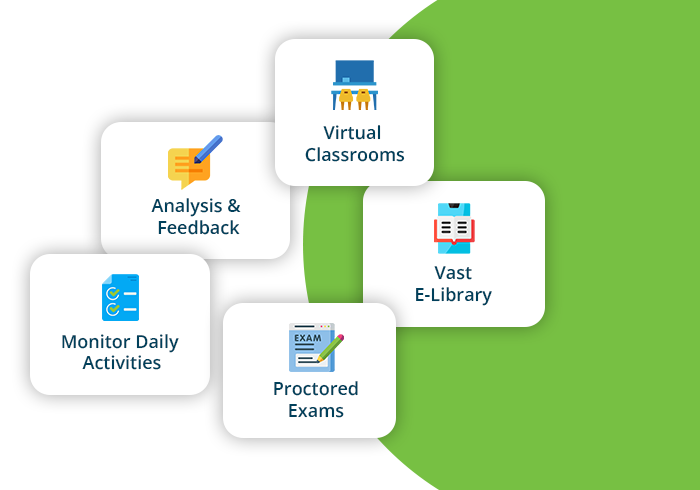
A Learning Management System (LMS) is a digital platform designed to streamline educational content delivery, assessments, and tracking of student progress. Popular options like Google Classroom, Moodle, and Canvas provide a centralized space for posting assignments, resources, and communications.
Benefits:
- Seamless Communication with Teachers: Students can quickly clarify doubts or ask questions directly through the platform.
- Ease in Tracking of Assignments and Grades: Students and parents can monitor progress with just a few clicks.
- Organization for Remote Learning Support: In today’s world, a strong LMS is crucial for effective remote education.
3. Educational Apps and Tools
Educational applications and tools have become essential, making learning fun and engaging. Apps like Duolingo for language learning, Kahoot for educational quizzes, and Khan Academy for free courses help students enhance their knowledge outside the classroom.
Advantages:
- Gamification in Learning: Students are often more motivated when learning feels like a game.
- Personalization of Learning: Many apps adapt to individual student progress, making education tailored and relevant.
- Access to an Ocean of Resources Beyond Textbooks: Students can explore topics in depth and at their own pace.
4. Virtual and Augmented Reality
Virtual Reality (VR) and Augmented Reality (AR) are changing the learning landscape by providing immersive experiences. Imagine students taking virtual tours of historical sites or exploring the human body in 3D.

Advantages:
- Immersive Learning Experiences: Students can engage in learning that is both exciting and informative.
- Engages a Number of Senses for Better Retention: Multi-sensory learning aids memory recall.
- Prompts Exploration and Creativity: Students are encouraged to think outside the box and explore concepts in a hands-on manner.
5. Cloud Computing
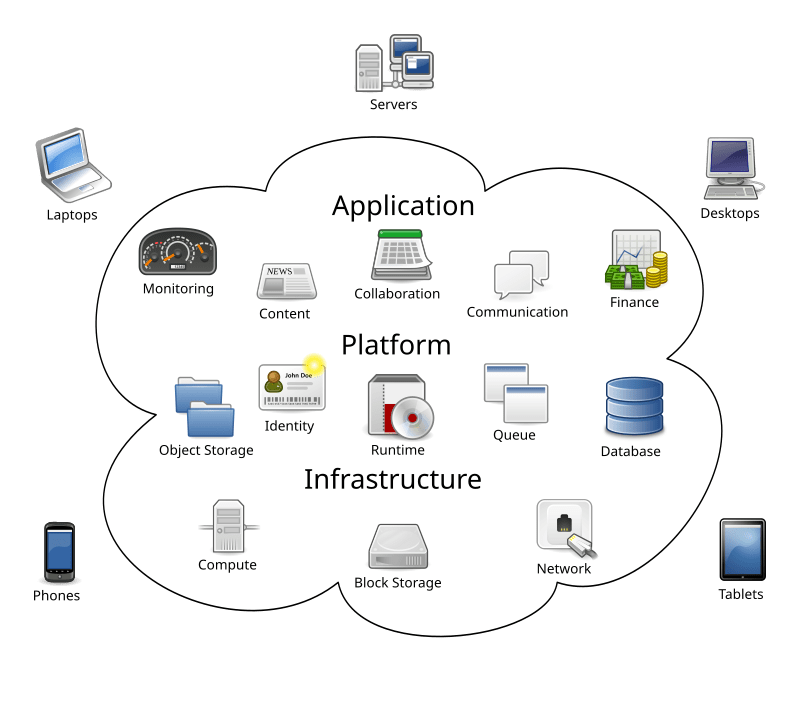
Cloud computing facilitates access to learning materials and collaboration from any location with internet access. Tools like Google Drive and Microsoft OneDrive allow both teachers and students to share resources and work on projects together seamlessly.
Advantages:
- Access to Learning Materials Anytime, Anywhere: Learning doesn’t have to stop outside of school.
- Collaboration in Real-Time: Students can work together on assignments regardless of their physical location.
- Data Security and Backup: Important documents are saved and backed up automatically.
6. Artificial Intelligence (AI) and Machine Learning
AI is gradually making its way into classrooms, with tools that personalize learning experiences based on individual student needs. Platforms like DreamBox or Squirrel AI adapt in real-time to student performance, offering help and challenges as necessary.

Benefits:
- Personalized Learning Experience: Each student can progress at their own pace, receiving tailored support.
- Intelligent Data-Driven Feedback: Teachers can quickly identify areas where students struggle.
- Early Identification of Students Who Need Additional Help: Support can be provided before issues become larger obstacles.
7. Robotics and STEM Kits
STEM (Science, Technology, Engineering, and Math) kits provide hands-on learning experiences that engage students in coding, engineering, and problem-solving. Robotics kits like LEGO Mindstorms make learning captivating and practical.
Advantages:
- Encourages Creativity and Innovation: Students imagine and create solutions that work.
- Teaches Real-World Problem-Solving: Learning through projects prepares students for future challenges.
- Hands-On Experience with Coding and Technology: Students gain valuable skills for tomorrow’s jobs.
8. Digital Assessment Tools
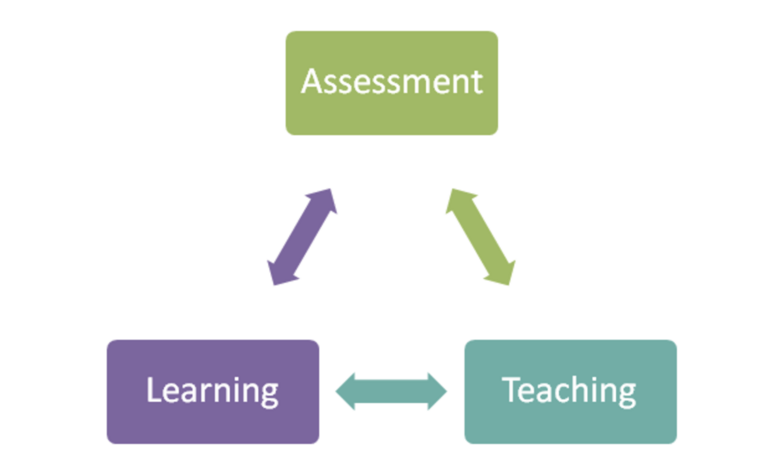
The traditional assessment process can be tedious. Thankfully, online tools such as Quizlet, Google Forms, and Edulastic have streamlined the process, enabling teachers to create quizzes, monitor student progress, and analyze results easily.
Advantages:
- Immediate Feedback: Students and teachers can receive real-time insights on understanding.
- Easy to Track and Handle Assessments: Everything is organized in one place.
- Less Time-Consuming: Grading is simplified, freeing up valuable time for both teachers and students.
9. Student Response Systems (SRS)
Student Response Systems, or SRS, like clickers or apps such as Poll Everywhere, provide immediate feedback during class. They can be used for quizzes, polls, or surveys and give teachers insight into class understanding.

Benefits:
- Almost Instantaneous Class Comprehension: Teachers can gauge understanding quickly and adjust lessons as needed.
- Increased Student Participation: More students feel encouraged to contribute.
- Real-Time Data for Tailoring Teaching Strategies: Feedback allows for adjustments on the go.
Conclusion
Educational technology solutions pave the way for a more connected, interactive, and engaging learning experience. By making use of these innovative tools, schools enhance the quality of education, foster collaboration, and present students with opportunities to engage with new material in fresh, exciting ways. As the future of education continues to emerge, these technologies will shape the learning models for the next generation of learners.