Introduction
The Future of IT Solutions in Education: Beginning of a New Era in Learning
The landscape of education is changing rapidly, and IT stands at the helm of this revolution. From being limited to simple administrative requirements or e-learning platforms, technology is now becoming the center of teaching, learning, and transmitting knowledge. In this article, we discuss the future of educational technology solutions and how they can impact the learning process itself in the future.
1.Personalized Learning: Tailoring Education to the Individual
One of the most exciting developments IT will bring into education is the personalization of learning experiences. Currently, many schools utilize learning management systems and adaptive learning to deliver customized lessons tailored to each learner. As we look to the future, these systems will become even more sophisticated with the incorporation of AI and machine learning.
Imagine a system that can analyze a student’s strengths, weaknesses, and learning preferences in real-time. AI-powered solutions will not just deliver content; they will play a crucial role in designing individualized pathways. Students could find themselves fast-forwarding through concepts they already grasp and receiving extra resources on topics they find challenging. This level of personalization will help every student truly unlock their potential.

2.Artificial Intelligence and Automation: Redefining Teaching Roles
AI and automation are currently playing a pivotal role in streamlining administrative tasks such as grading and scheduling in educational institutions. However, looking forward, the influence of AI will deeply penetrate even further. We can expect to see virtual AI tutors that provide supplemental assistance outside of traditional school hours.
What’s important to note is that this doesn’t mean teachers will be replaced; rather, IT solutions will enhance their teaching capabilities. By automating routine tasks, AI allows educators to devote more time to the creative aspects of teaching, such as mentorship and fostering critical thinking skills. This transformation is likely to redefine the role of teachers as they evolve into facilitators and guides in a more personalized learning environment.

3.Virtual Reality and Augmented Reality: The Experience of Immersive Learning
VR and AR technologies are changing how students interact with their learning environments. These immersive tools allow learners to engage with complex concepts in ways that traditional classroom settings simply can’t match.
Picture a biology student exploring the human body through an interactive 3D model or a history class virtually strolling through ancient Rome. Such experiences bring learning to life, offering hands-on opportunities that enrich understanding. As VR and AR technologies become more affordable and accessible, they will undoubtedly become key components of the educational experience, inspiring engagement and curiosity.

4.Cloud Computing: Accessing Education Anytime, Anywhere
Cloud computing has already revolutionized how educational materials are stored and accessed. The future advancements in cloud-based solutions hold the promise of breaking down geographical barriers, enabling students to access resources and collaborate with peers from anywhere in the world.
This shift means that all students can benefit from real-time collaboration, easy access to digital textbooks, and the ability to work on projects from virtually any location. Moreover, as institutions increasingly digitize their operations, scalable educational systems powered by cloud infrastructure will accommodate vast amounts of data and user activity, making learning more inclusive.

5.Blockchain Technology: Improved Security and Transparency
While blockchain is often associated with securing digital transactions, its potential in education goes far beyond financial applications. One of its most promising uses is in verifying diplomas, certificates, and students’ academic records.
With blockchain, educational institutions can track student progress securely and authentically. Additionally, it could help manage the intellectual property rights for educational materials, ensuring fair compensation for creators. This enhancement in transparency and security promises to foster trust within the education sector—making the academic journey smoother for all stakeholders involved.

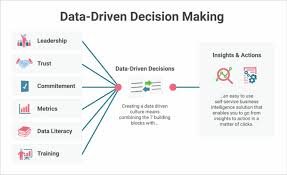
6.Data-Driven Insights: Transforming Decision-Making in Education
Data has become one of the most powerful tools in the educational toolkit. When harnessed effectively, analytics provides deep insights into student performance, trends, and potential areas for improvement.
In the future, schools will utilize big data and predictive analytics to track student progress, pinpoint those at risk, and implement timely interventions. Decisions regarding curriculum development, instructional practices, and resource allocation will be based on solid data rather than guesswork, leading to improved learning outcomes for all students.
7.5G and High-Speed Internet: Enabling the Digital Classroom
As 5G networks continue to roll out globally, we can expect the digital divide to shrink, ensuring that students from remote or underprivileged areas have access to the same resources as those in urban centers.
The high-speed internet brought on by 5G will make room for more data-intensive applications, like VR and real-time collaboration tools. This connectivity will empower classrooms across the globe, allowing them to fully utilize cutting-edge technologies that enhance learning experiences.
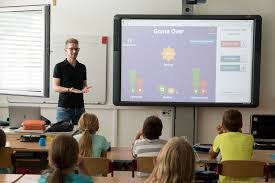
8.Cybersecurity and Data Privacy: Safeguarding the Digital Classroom
As our education systems grow increasingly digital, protecting student data and institutional systems becomes critical. Cybersecurity threats against schools are on the rise, and with the influx of personal information being shared online, a robust approach to security cannot be overstated.
In the future, educational institutions must invest heavily in cybersecurity measures such as encryption, multi-factor authentication, and AI threat detection systems. Ensuring compliance with privacy laws, like GDPR, while keeping student data safe from hackers will be paramount.

9.Collaborative Learning Tools: Connecting Global Classrooms
Perhaps one of the most transformative benefits of digital tools is the opportunity for borderless collaboration. Future classrooms will be able to connect with other students from across the globe, allowing them to work together on projects, share ideas, and explore diverse perspectives.
With advanced collaboration platforms, both students and teachers will have seamless communication tools at their disposal. This capability enables group work, peer feedback, and a richer cross-cultural learning experience, effectively preparing students for an increasingly interconnected world.

10.Teachers in the Digital Future
As we embrace the technology-driven educational landscape, the role of the teacher will inevitably evolve. Gone will be the days when educators were merely sources of knowledge; they will shift towards being facilitators, mentors, and guides in a student-centered learning environment.
The focus of teaching will pivot away from rote memorization to critical thinking, creativity, and problem-solving. With technology supporting their efforts, educators will create engaging learning environments that are flexible, dynamic, and attuned to the needs of their students.

Conclusion
By and large, the future of IT solutions in education presents an excitingly innovative scope and opportunities for the years ahead. Different configurations and specifications are being introduced, such as personalized learning, AI-based tools, immersive VR experiences, and blockchain security, changing the way we learn, teach, and engage in knowledge.
In the future, when digital classrooms become the norm, educators and students will thrive with extensive access to information, flexible learning environments, and diverse choices in how they learn.
In summary, realizing this vision requires significant investment from schools, governments, and organizations to build the necessary infrastructure, training, and support systems that ensure technology is used effectively and ethically. The future of education is here, and it is digital. Let us embrace this change and open doors to endless learning opportunities together.